Kanon Notsu
Description
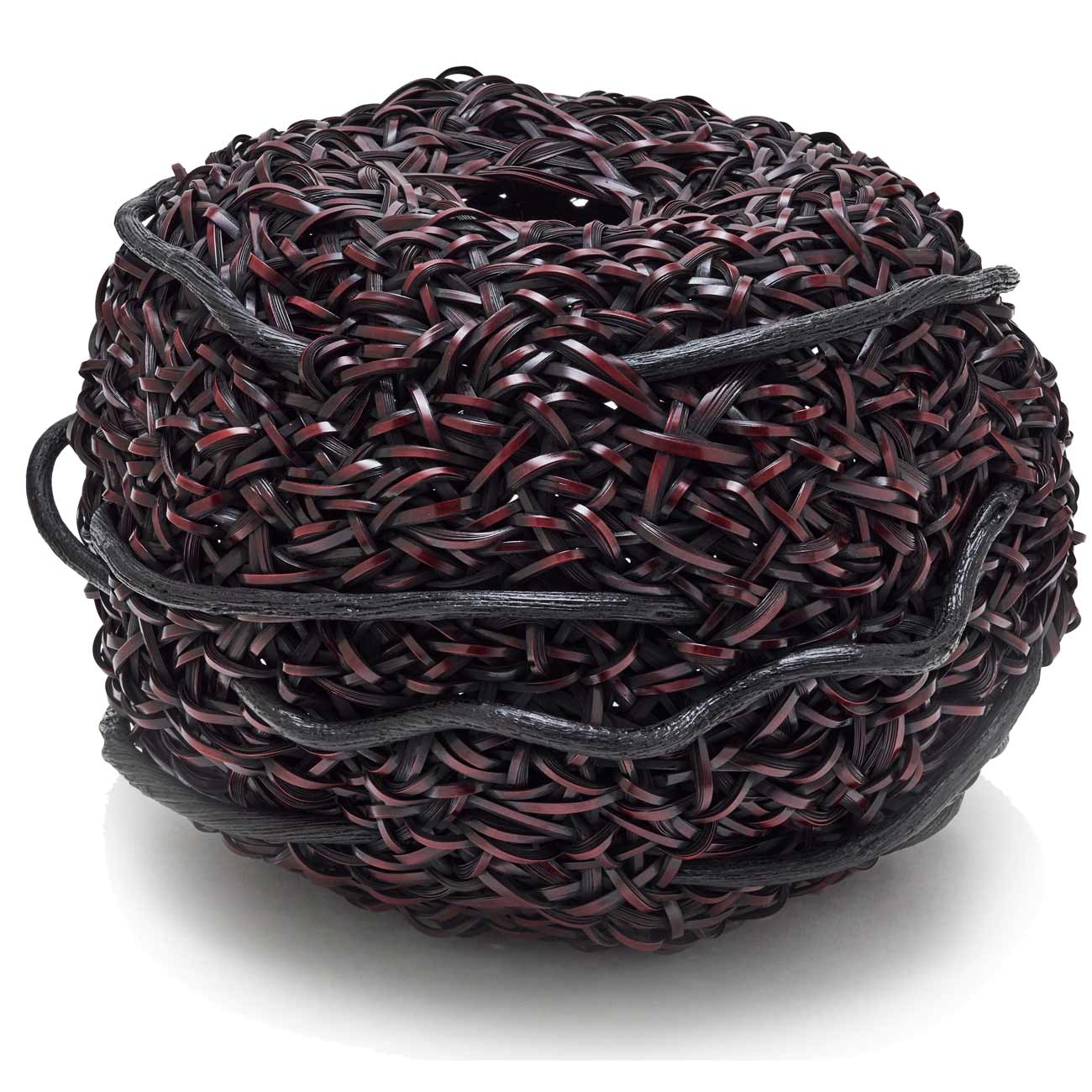
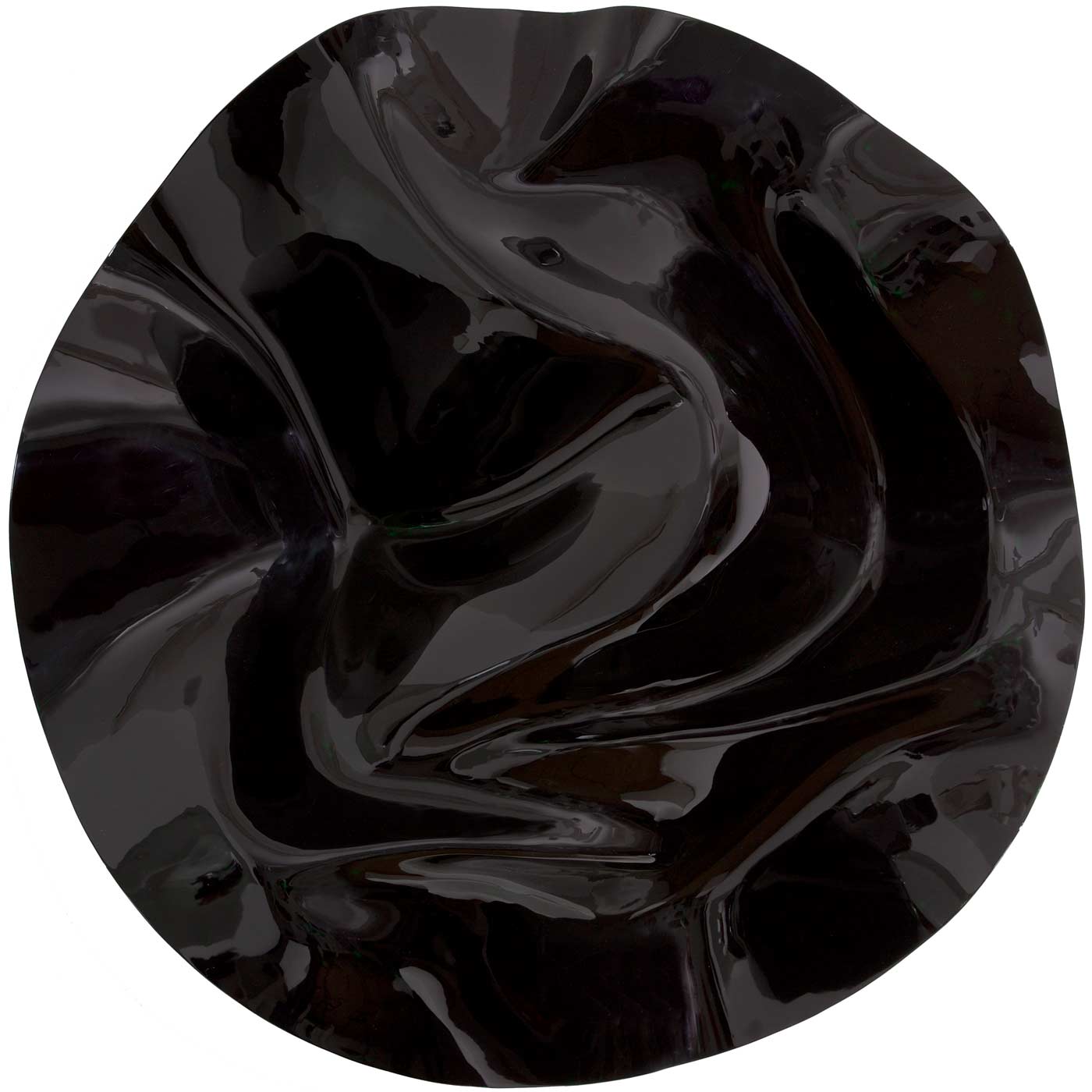
Kanon Notsu is a Japanese lacquer artist born in 1997. Her sculptural work in urushi draws inspiration from the forms and transformations of the natural world. The growth of plants, the movement of the wind, and landscapes shaped by erosion inform a vocabulary of organic volumes, defined by taut lines and meticulously worked surfaces.
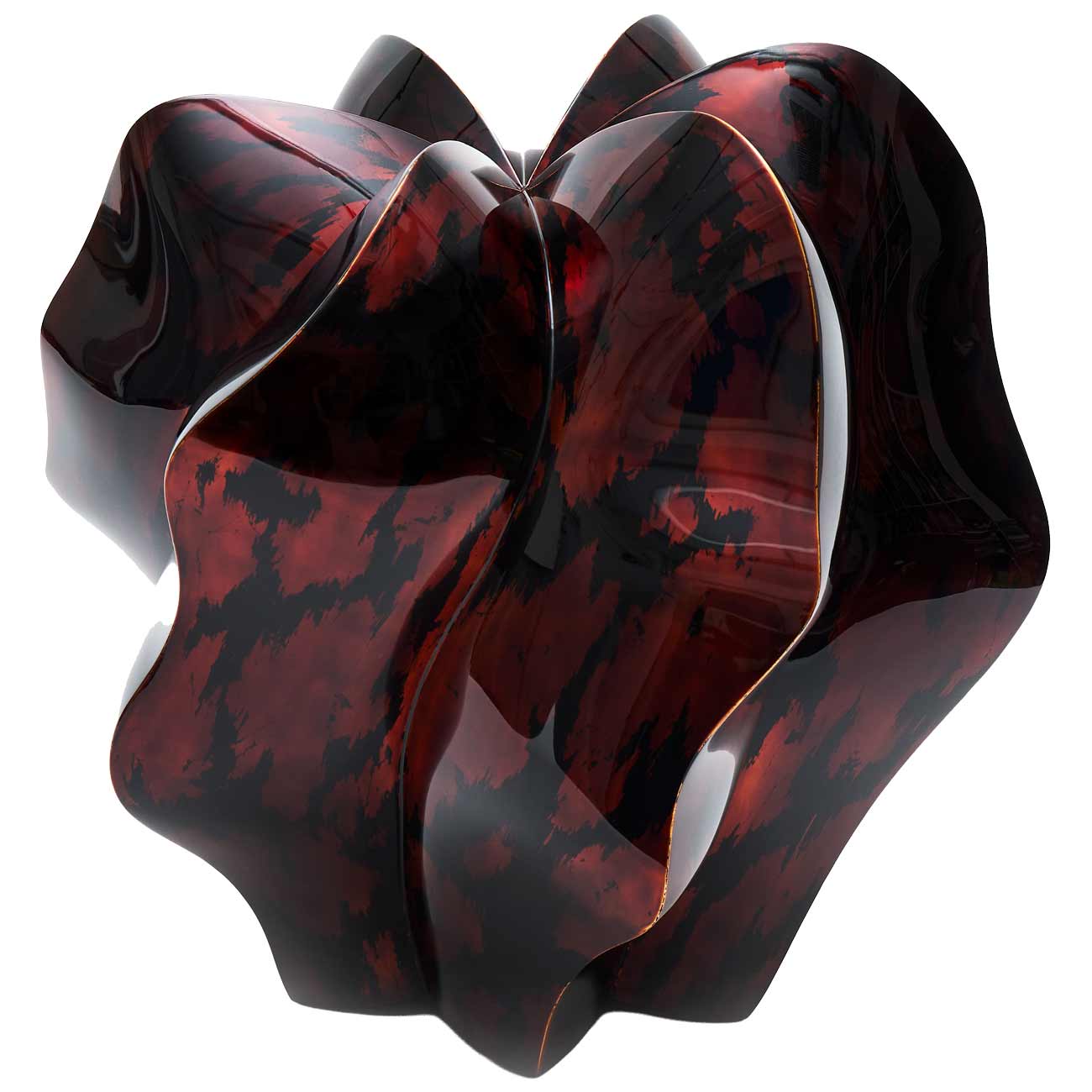
In her work, lacquer is not simply a finish: it plays an integral role in both the construction and perception of form. Its depth, lustre, and ability to capture light accentuate the curves and edges of her sculptures, whose appearance shifts according to the viewer’s perspective. Kanon Notsu explores the intrinsic qualities of urushi as a natural material and its ability to give her forms a presence that is at once dense and ever-changing.
Kanon Notsu graduated from Kyoto City University of Arts in 2020, specialising in urushi, and continued her research there, completing her Master’s degree in 2023. Since then, her work has been presented in several exhibitions and events dedicated to contemporary Japanese art. In 2024, she received an Excellence Award as part of Kyoto Art for Tomorrow 2025, as well as the Nikkōkai Prize at the 33rd Nikkōkai-ten. In 2025, her work was selected for the 6th Kanazawa World Crafts Triennale.
Kanon Notsu’s sculptures are constructed from lightweight structures covered with textile and successive layers of lacquer. In the Kabuto-Maru and Suzu-Maru series, she combines urushi with a range of finishes and materials, including silver leaf and “Kyoto Opal.” Deep blacks, vermilion reds, and nishiki surfaces emphasise the construction of the volumes and create subtle shifts in light.
Her works are held in several Japanese public collections, including the Midorigaoka Museum of Art and the collection of Kyoto City University of Arts.